Forest Gate removals insider tips for High Street loading times
Trying to move in Forest Gate and keep everything smooth on the High Street can feel a bit like playing Tetris with a van, a sofa, and the clock. The good news? With the right planning, Forest Gate removals insider tips for High Street loading times can save you stress, money, and that awkward moment when your driver is circling while the kettle is already unplugged.
This guide breaks down how loading times really work in the area, what tends to slow movers down, and the small decisions that make a surprisingly big difference. If you are moving a flat, a family home, a student room, or a small business premises, the same principle applies: plan the loading window properly and the whole day runs better. Not perfect, because moving day never is, but better.
We will cover the practical side first, then move into the mistakes people make, the best timing tactics, compliance and safety basics, and a simple checklist you can actually use. Along the way, you will also find relevant service links such as removals, man and van, and packing and boxes where they genuinely fit the reader journey.
Expert summary: The key to better High Street loading times is not just arriving early. It is arriving with a clear loading plan, enough hands, properly packed items, realistic parking expectations, and a moving team that knows how to keep the van turning over efficiently.
Why Forest Gate removals insider tips for High Street loading times Matters
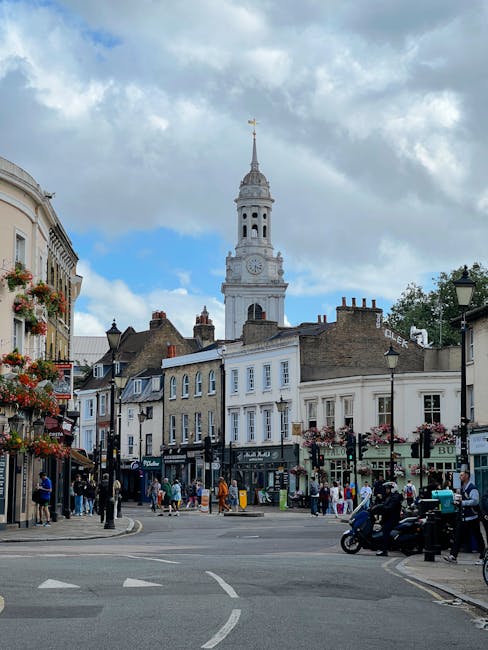
High Street loading times matter because the street itself changes the pace of a move. Busy local traffic, narrow kerb space, shopfront activity, pedestrians, buses, delivery drivers, and the simple fact that people are trying to get on with their day all create pressure. If you underestimate that pressure, even a straightforward move can start slipping behind schedule before the first box is on the van.
In Forest Gate, that delay can ripple through the whole move. If the loading window is short, you may end up making more trips, leaving furniture waiting on the pavement, or spending extra time reorganising items that were packed in a rush. That is rarely dramatic, but it is tiring. And on moving day, tired quickly becomes expensive.
There is also a trust element. If you have booked a mover, neighbour help, or a rental vehicle, people are counting on the timing being reasonably accurate. A good loading plan protects everyone's time. It also makes it easier to use services like house removals or flat removals effectively, because the job is organised around the street rather than fighting against it.
Truth be told, most moving problems do not begin with the lift or the stairs. They begin outside, at the kerb, where decisions about parking, access, and timing get tested immediately. That is why this topic is worth getting right.
How Forest Gate removals insider tips for High Street loading times Works
The basic idea is simple: the shorter and more controlled your loading window, the fewer interruptions you face. But the practical side has several moving parts. You need to think about how long it takes to carry items from the property to the van, whether the van can stop close enough to the entrance, and how quickly each item can be loaded without creating a bottleneck.
In many local moves, the biggest time loss comes from the gap between the front door and the vehicle. Even an extra few metres can slow everything down, especially with large furniture or awkward items. If the route includes stairs, tight hallways, or a lift that is shared with other residents, the effect becomes more obvious. It is not glamorous. It is just reality.
A well-run load works in layers:
- the route from property to vehicle is cleared in advance
- heavy items are positioned for first loading or last loading, depending on van layout
- boxes are grouped by room so they can be stacked logically
- fragile pieces are set aside and protected before the main rush begins
- the driver and helpers know what is coming next, not just what is already in hand
If you are using a removal van or a larger moving truck, the logic stays the same, though the order of loading may change. Bigger vehicles give you more volume, but they also reward better organisation. More space can tempt people into tossing items in loosely. Bad idea. The van fills faster than you think.
One useful way to think about High Street loading time is this: every minute saved at the door is usually worth more than every minute saved in the van. Because the van can only move once the door flow is working.
Key Benefits and Practical Advantages
Planning loading times properly is not just about speed. It improves the whole experience, and that is where the real value sits.
- Less waiting: people spend less time standing around while one item blocks the rest.
- Lower stress: a structured loading order reduces the feeling that everything is happening at once.
- Better safety: fewer hurried lifts and fewer awkward near-misses on the pavement or stairs.
- Cleaner budgeting: time overruns are easier to avoid when the loading process is realistic from the start.
- Better use of space: the van is packed more intelligently, which can reduce unnecessary trips.
- Less neighbour friction: a tidy, brief loading period is simply easier for everyone nearby.
There is another practical advantage that people overlook: a better loading sequence often means fewer damaged items. A rushed move tends to create pressure points. Boxes get crushed, table legs get bumped, and cables mysteriously disappear. Happens all the time, sadly. If you are moving valuable or specialist items, this is where services like piano removals or furniture removals make a big difference because the handling method is built around the item, not just the clock.
Practical takeaway: the real win is not "loading faster" in a vague sense. It is removing the little blockers that create delay one by one.
Who This Is For and When It Makes Sense
This advice is useful for almost anyone moving in or around Forest Gate, but some people will feel the benefit more sharply than others.
- Home movers: if you are moving a full household, timing matters because there are simply more items and more decisions to make.
- Flat residents: shared access, stairs, and limited stopping space can turn a small move into a slow one if you are not organised.
- Students: student moves are often time-sensitive and involve awkward corners, shared halls, and a lot of bags. The page for student removals becomes especially relevant here.
- Small businesses: office items, files, IT equipment, and furniture often need a more structured loading sequence. In these cases, office removals and commercial moves are worth considering.
- Short-notice movers: if you are under pressure, even basic planning can make same-day work far less chaotic.
It also makes sense when you have one of those deceptively tricky jobs that looks quick on paper. A one-bedroom flat can still take ages if there is no lift, parking is awkward, and boxes are not labelled. Meanwhile, a larger home can move faster than expected if everything is packed, staged, and ready to go. Funny how that works.
If you are unsure what level of service fits, you can compare broader options such as removal services, man with a van, or even same day removals depending on timing, load size, and how much help you actually need.
Step-by-Step Guidance
Here is the method we would use to keep High Street loading times under control. Nothing fancy. Just a sensible sequence that works in real life.
- Measure the real access route. Don't just look at the front door. Walk from the property to where the vehicle will stop and notice slopes, kerbs, gates, turns, and anything that slows a hand-carry.
- Decide what must go first. Heavy furniture, awkward items, fragile boxes, and essentials should each have a place in the order. If everything is "urgent", nothing is.
- Stage items by zone. Keep boxes from the same room together near the exit. This makes the loading line calmer and reduces back-and-forth.
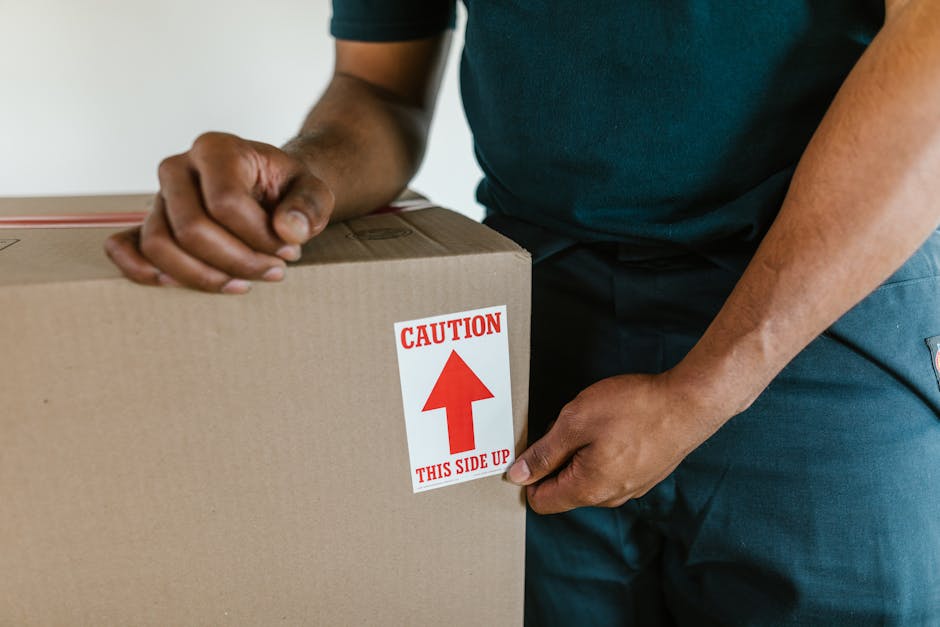
- Use proper packing materials. You do not need luxury packaging, but you do need boxes that hold shape, tape that stays stuck, and enough padding for fragile items. If you need support, look at packing and boxes.
- Prepare furniture for moving. Remove loose parts, empty drawers where possible, and protect corners. A few minutes here can save a lot of grief later.
- Keep the loading path clear. Shoes, bins, trailing cables, toys, and random last-minute clutter always slow people down. Always.
- Load with a rhythm. One person carries, one guides, one stacks if possible. If you are working with a small team, this is where man with van support can be especially efficient.
- Check the van layout as you go. Heavy items usually go in first, but the exact order depends on the vehicle and the delivery stop. A good mover will adjust this on the day.
- Keep essentials accessible. Documents, keys, chargers, medication, and a basic kettle box should not disappear into the back wall of the vehicle.
- Do a final sweep. The last five minutes are when small disasters happen: missed cupboards, overlooked loft space, or that one plant everyone thought someone else had taken.
One small but important clarification: if you are moving from a building with shared access, the loading window can depend as much on neighbour flow as on your own prep. A polite note to residents can make a bigger difference than people expect. Not bulletproof, of course. But helpful.
Expert Tips for Better Results
There are the obvious tips, and then there are the ones that come from actually doing the job in busy streets. The second group is where the real savings are.
- Book the parking strategy before the vehicle arrives. If the driver has to search for a stopping point, your loading window has already shrunk.
- Aim for the earliest practical window. In many cases, earlier starts are easier because kerbside space is less pressured and foot traffic is lighter.
- Use clear labels, not creative labels. "Kitchen" beats "bits", every single time.
- Separate fragile items from high-volume boxes. That prevents the crew from pausing mid-load to protect one item while the rest wait.
- Do not overfill boxes. Overpacked boxes slow handling because they are harder to lift safely and stack neatly.
- Match item size to vehicle choice. A small job may suit a man with a van, while larger, multi-room jobs may suit a bigger vehicle or a structured team.
- Build in a cushion. Even 15 to 20 spare minutes can stop a minor delay from becoming a domino effect.
- Keep communication simple. Too many instructions at the door can slow the team down. Short, direct, clear. That is the trick.
We also suggest thinking about what should not be loaded last. Common sense says "whatever is left over," but that can backfire. The last items often get the least protection and the most rush. If there is a fragile lamp, a mirror, or a piece of furniture that needs careful handling, do not leave it to chance.
And a tiny but useful human point: if you are the organiser, drink some water and eat something. Moving day can make people weirdly forgetful. Hungry people make odd decisions. It's a thing.
Common Mistakes to Avoid
Most loading delays are avoidable. The same errors crop up again and again, and they tend to snowball rather than stay small.
- Assuming parking will be easy. It often isn't, especially on busier stretches or at peak times.
- Leaving packing until the morning of the move. That is one of the fastest ways to wreck the loading schedule.
- Forgetting about large-item disassembly. Beds, tables, and shelving can take longer than you think if they are still built.
- Not measuring access points. A doorway, stair turn, or hallway can change the whole flow.
- Mixing essentials with non-essentials. If everything is urgent, you lose control of the sequence.
- Using weak boxes or too much tape. Weak boxes slow everyone down because they need extra handling.
- Trying to be too clever with van space. Packing by guesswork usually creates wasted gaps and unstable stacks.
- Expecting one person to do everything. That is how loading times stretch and tempers rise a little. Fairly normal, but avoidable.
Another mistake is ignoring the emotional side of the move. People get attached to rooms, routines, and tiny habits. So when the clock is ticking and things are being moved fast, decisions can become oddly difficult. Give yourself enough time to pause and check before you seal the last box.
Tools, Resources and Recommendations
You do not need a mountain of equipment to make this work. A few practical tools are enough.
- Strong boxes and tape: the basics, but worth getting right.
- Furniture covers and wrapping: helpful for doors, sofas, table tops, and anything with edges that chip easily.
- Labels or marker pens: room names and priority notes make a real difference.
- Dolly or sack truck: useful if you have several heavy boxes or a long carry.
- Blankets and straps: good for keeping loads stable in transit.
- Phone photo of the packed van: surprisingly useful if you need to reconstruct where something was placed.
If you want a more supported move, the following service pages may be useful depending on your situation: packing and unpacking services, storage, and home moves. For people clearing out a property or replacing larger items, furniture pick up can also be relevant.
If you are comparing providers, look beyond price alone. Check whether the service matches the size of your move, whether they understand local access issues, and whether they can keep the loading flow organised. A cheap quote that causes three hours of delay is not actually cheap, is it?
Law, Compliance, Standards, or Best Practice
For moves on or near a busy high street, best practice matters even when there is no dramatic legal issue in sight. The key areas are road safety, pedestrian access, safe manual handling, and respect for any property or parking rules that apply to the location. Because local conditions can vary, it is sensible to plan conservatively rather than assume a best-case scenario.
In UK moving work, common expectations usually include:
- keeping pavements and entrances clear wherever possible
- lifting items in a way that reduces strain and injury risk
- using suitable vehicles and equipment for the load
- checking that items are packed securely for transit
- handling fragile, valuable, or awkward items with extra care
If you are arranging a move that involves more people, heavier furniture, or repeated lifting, it is sensible to work with a team that takes safety seriously. You can read more about operational standards through health and safety policy and insurance and safety. Those pages are useful because they show the kind of discipline that helps prevent avoidable problems on the day.
For business or larger household moves, it is also wise to review terms and conditions and payment and security before booking. That way, you know what is covered, what the expectations are, and how the service is structured. No one loves reading the small print, but it is better than arguing over it later.
Options, Methods, or Comparison Table
Different moves need different approaches. Here is a simple comparison to help you choose the most practical loading setup.
| Option | Best for | Strengths | Trade-offs |
|---|---|---|---|
| Self-load with hired vehicle | Small, simple loads | Flexible, straightforward, budget-friendly | More physical effort, more chance of delays if packing is poor |
| Man and van support | Flats, students, lighter home moves | Efficient, practical, often quicker than people expect | Not ideal for very large or complex moves |
| Full removal service | Larger homes, difficult access, heavier loads | Better coordination, more manpower, safer handling | Usually more involved to arrange |
| Storage-first approach | Staged moves or timing gaps | Reduces pressure on moving day, useful when keys or access are delayed | Adds an extra step and needs planning |
If your loading time on High Street is tight, a larger team or a more coordinated service often wins. But if the move is small and access is good, a lighter option may be perfectly fine. The right answer depends on the route, not just the volume.
Case Study or Real-World Example
Here is a realistic example based on a typical local move. A couple were leaving a first-floor flat near a busier section of the High Street. They had a decent amount of furniture, several boxes of books, and a few fragile items that were all "almost packed" the night before. The loading estimate looked fine on paper. In practice, the morning started slipping almost immediately.
The problem was not one big issue. It was a chain of small ones: boxes without labels, a hallway cluttered with bags, one wardrobe still partly assembled, and the van parked a little farther away than expected. Nothing dramatic. Just enough friction to add up.
Once the team reorganised the sequence, things improved quickly. Heavier furniture moved first, the fragile pieces were separated, the route from the front door was cleared, and the boxed items were grouped by room. The loading time still took longer than the couple had hoped, but the move regained its rhythm. That was the real fix. Rhythm.
The lesson is simple. When loading time on a busy street gets tight, order matters more than speed alone. Better order means less stopping, less second-guessing, and fewer awkward pile-ups at the door. Funny thing is, the calmest moves often look a bit boring from the outside. That is usually a good sign.
Practical Checklist
Use this checklist the day before and again on the morning of the move.
- Confirm the moving time and vehicle size
- Check how close the van can stop to the property
- Clear the entry route, hallway, and stairs
- Label boxes by room and priority
- Pack fragile items securely and separately
- Disassemble large furniture where needed
- Keep documents, keys, and essentials together
- Separate items for storage or later delivery
- Have water, snacks, and basic supplies to hand
- Do a final walk-through before leaving
If you are dealing with a more compact property, the process is often fastest when the first boxes are already stacked by the exit and the furniture is ready to go. That small bit of pre-work can save a surprising amount of time. Really, it can.
Get a free quote today and see how much you can save.
Conclusion
Forest Gate removals insider tips for High Street loading times come down to a simple truth: the street sets the pace, but you still control the outcome. If you stage the property properly, choose the right moving setup, and plan the van access realistically, you can turn a stressful bottleneck into a smooth, steady load.
That is especially useful in a place where traffic, pedestrians, and parking can all shift the mood of a move in seconds. So keep the plan practical, keep the boxes sensible, and give yourself enough breathing room to adapt if the morning is less tidy than expected. That is normal. More normal than people admit.
And if nothing else, remember this: a well-organised loading window makes the rest of the day feel lighter. Not perfect. Just lighter. Sometimes that is exactly what you need.
Frequently Asked Questions
What is the best time of day for loading on Forest Gate High Street?
Usually, the earlier practical part of the day is easier because traffic and pedestrian activity are often lower. That said, the best time depends on your access, parking options, and the kind of property you are moving from.
How long should loading take for a typical flat move?
There is no single answer because access, packing quality, and furniture size all change the timing. A well-prepared flat move can be reasonably quick, while an awkward access route or poor packing can slow things down a lot.
Do I need a full removals team for a small High Street move?
Not always. For smaller loads, a simpler setup such as man and van or man with van may be enough. Larger or more complicated moves usually benefit from a fuller team.
What slows loading down the most?
The biggest delays are usually parking distance, poor packing, cluttered access routes, and furniture that has not been prepared properly. A missing label or a blocked hallway can cause more delay than people expect.
Should I pack everything before the movers arrive?
Yes, as a rule. The smoother the packing, the more efficiently the loading works. If you still have open boxes, loose items, or unwrapped furniture when the van arrives, the whole schedule becomes harder to manage.
How can I make a High Street loading space safer?
Keep the route as clear as possible, avoid leaving items on the pavement longer than needed, and make sure everyone knows where to stand and move. Safety is mostly about reducing confusion, not being overly formal.
Is storage useful if my move is delayed?
Yes, storage can be very helpful if keys are late, access is split over two dates, or you need to move in stages. In those cases, storage can take the pressure off the main moving day.
What should I do with large or awkward furniture?
Prepare it in advance where possible, remove loose parts, and protect edges. For especially awkward pieces, using dedicated support such as furniture removals or specialised handling is often the safer choice.
How do I avoid loading disputes with neighbours or passers-by?
Keep the load neat, keep the time window tight, and avoid blocking access any longer than necessary. A quick, polite approach tends to work better than trying to be invisible and hoping for the best. Let's face it, moving always gets noticed a bit.
What if I need to move at short notice?
Short-notice moves are possible, but they need sharper organisation. If time is tight, services such as same day removals can be useful, especially when access and packing are already fairly organised.
Are office moves handled differently from home moves?
Yes. Office moves often involve IT equipment, files, desks, and a stronger need for sequencing. That is why office removals and commercial moves need more planning around loading order and access.
How do I know whether I need help with packing too?
If you are short on time, dealing with fragile items, or simply want a cleaner loading day, packing help can be worthwhile. A service like packing and unpacking services can reduce last-minute pressure and make the move feel much more controlled.