Newham council permit rules for Forest Gate removals: a practical guide for a smoother moving day
If you are planning a move in Forest Gate, parking is rarely a minor detail. It can decide whether the whole day feels calm and organised or turns into a scramble with hazards lights flashing and someone muttering about the kerb. That is why understanding Newham council permit rules for Forest Gate removals matters before the first box is lifted.
In this guide, we will break down how removals permits usually work in the area, why they matter, what can go wrong if you leave them too late, and how to plan your move with less stress. We will also cover the practical side of moving in tight E7 streets, where access, timing, and vehicle size often matter just as much as the paperwork. Truth be told, a little planning here saves a lot of headache later.
If you want more general moving help alongside the permit side of things, you may also find our guides on how to glide through your house move with no stress and clearing the clutter before moving day useful.
Table of Contents
- Why Newham council permit rules for Forest Gate removals matters
- How Newham council permit rules for Forest Gate removals works
- Key benefits and practical advantages
- Who this is for and when it makes sense
- Step-by-step guidance
- Expert tips for better results
- Common mistakes to avoid
- Tools, resources and recommendations
- Law, compliance, standards, or best practice
- Options, methods, or comparison table
- Case study or real-world example
- Practical checklist
- Conclusion
- Frequently asked questions
Why Newham council permit rules for Forest Gate removals Matters
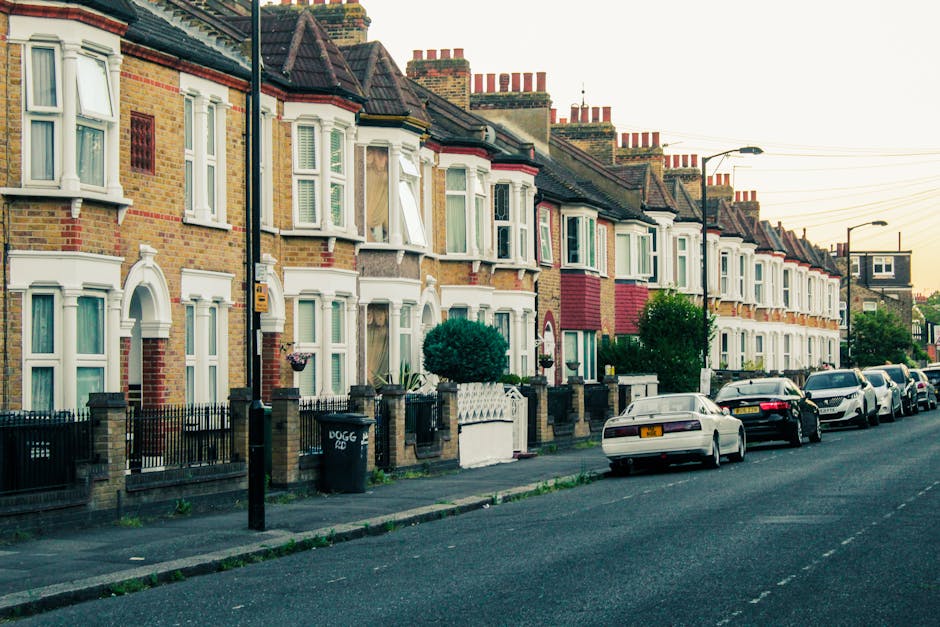
Forest Gate sits in a part of East London where parking can be tight, loading space can be limited, and traffic can change fast across the day. If your removal van needs to stop on a yellow line, in a bay, or in a space that is normally restricted, a council permit may be the difference between a lawful move and an expensive inconvenience.
That matters for three simple reasons. First, an unplanned stop can delay the move. Second, it can create risk for the crew, neighbours, and your belongings. Third, you may end up with penalties or a forced last-minute change of plan. Nobody wants to be carrying a wardrobe down the stairs while worrying about a ticket tucked under the windscreen wiper.
There is also a wider practical point. A permit does not just protect you from parking trouble; it helps your removals team work properly. They can park where they need to park, load safely, and keep the move moving. In busy streets near station areas, terraced roads, or narrow access points, that can make a noticeable difference.
Expert summary: treat the parking side of a Forest Gate move as part of the move itself, not an afterthought. If the van cannot stop legally and safely, everything else becomes slower, messier, and more expensive than it should be.
For moves involving awkward furniture or heavier items, it is worth planning the permit together with the packing and loading process. Our article on the complexity of piano moving gives a good sense of why access planning matters even more with delicate or bulky items.
How Newham council permit rules for Forest Gate removals Works
In plain English, a permit is official permission to park or stop in a controlled space for a defined purpose and time. For removals, the most relevant issue is usually whether the vehicle will need access to a restricted bay, loading space, or a roadside area with parking controls.
Because Forest Gate is in the London Borough of Newham, the council's parking and loading rules are the framework that matters. The exact permission you need depends on the road, the time of day, the type of bay, and how long the van needs to remain in place. Some moves can be managed with careful timing and off-peak loading. Others really do need a permit or pre-arranged authorisation.
A few practical points usually shape the process:
- Location: the street may have pay-and-display bays, resident bays, single or double yellow lines, or loading restrictions.
- Timing: some restrictions only apply at certain hours, while others are active all day.
- Vehicle type: a small van and a larger removal vehicle may be treated differently in practice, especially if space is tight.
- Duration: short loading stops may be simpler than a longer stationary period.
- Purpose: a genuine house move, office move, or furniture delivery may be considered differently from ordinary parking.
One important reality check: permit rules are not one-size-fits-all. What works on one Forest Gate street may be a poor fit for the next street along. If your building is on a narrow residential road or near busier routes, the safest approach is to check early rather than assume the van can just "nip in and out." That rarely ends well.
If your move is time-sensitive, our page on same-day removals in Forest Gate may also be useful, because short-notice moves can make parking permissions more important, not less.
Key Benefits and Practical Advantages
When people think about removal permits, they often focus only on avoiding fines. Fair enough. But the benefits go beyond that.
- Smoother loading: the van can park closer to your property, which cuts carrying time and lowers the chance of damage.
- Less stress on moving day: you are not trying to solve a parking puzzle while everyone else is already tired.
- Better time control: the team can work to a more reliable schedule.
- Safer handling: shorter walking distances usually mean less strain and fewer chances of dropping something awkward.
- Lower disruption: sensible parking helps keep pavements, driveways, and neighbouring access points clear.
There is also a subtle benefit people overlook: permits help the whole day feel more professional. When the van is where it should be, the boxes are ready, and the route from door to vehicle is clear, everything feels calmer. You notice the difference immediately.
If you are still deciding how much help you want on the day, our overview of removal services in Forest Gate is a useful place to compare options, especially if you are moving a flat, a house, or a mixed load of furniture and boxes.
Who This Is For and When It Makes Sense
Permit planning is relevant for far more people than you might think. It is not just for large household moves with a full lorry outside the front door.
You will usually want to think about Newham parking permissions if you are:
- moving from a flat with limited frontage space
- moving from a terraced house on a narrow road
- handling a same-day or short-notice move
- loading heavy furniture or fragile items
- moving an office, studio, or shared workspace
- dealing with access problems near busy roads or restricted bays
- using a larger van that needs a proper stopping point
It may also make sense if you are a student moving in or out of Forest Gate and your building has awkward access or no off-street parking. Student moves can look small on paper and still become surprisingly fiddly once the bags, boxes, and furniture start appearing in the hallway.
For smaller moves, a permit may not always be necessary. But do not guess. If the van is likely to block traffic, sit on a restriction, or need more than a very brief stop, it is smarter to check in advance. A quick decision now beats an argument with a parking notice later.
For those moving into a flat, our flat removals Forest Gate page can help you think through the access side of compact London moves.
Step-by-Step Guidance
Here is the most practical way to handle permit planning without turning it into a project of its own.
- Check your exact moving address. Do not rely on the postcode alone. Two streets in the same area can have very different restrictions.
- Look at the curb space outside the property. Is there a bay, yellow line, resident-only zone, or loading area? Even a rough visual check helps.
- Estimate the size of the vehicle. A man and van setup, a larger removal van, or a longer wheelbase vehicle can change what is realistic.
- Decide whether the van needs to stay. If loading will take time, a quick stop may not be enough.
- Build the permit decision into your booking. This is the stage where it is best to raise it, not on the moving morning.
- Prepare a loading route. Clear hallways, keep doors open where appropriate, and make sure the easiest path is obvious.
- Confirm the day before. A simple final check can catch mistakes caused by date changes, weather, or last-minute access issues.
That last step is boring, yes. But boring is good here. The move does not need drama.
If you are trying to organise everything more systematically, our article on packing tips for a big move can help you line up the boxes and the timing so the permit and loading plans actually work together.
Expert Tips for Better Results
A few small decisions can make a surprisingly big difference. In our experience, the best moving days are not the ones with the fanciest equipment. They are the ones where people planned the obvious things early.
- Book the moving slot before the street gets busy. Morning starts often give you a cleaner run at loading, though not every route behaves the same.
- Measure the access, not just the van. Low walls, tight gates, and awkward corners matter more than people expect.
- Have a backup parking idea. If the original bay is unavailable, know the next best option.
- Keep heavy items grouped near the exit. That reduces time outside and avoids repeated trips.
- Use labelled boxes by room. It sounds simple because it is, and simple wins on moving day.
- Tell neighbours if loading may briefly affect the street. A bit of courtesy can prevent friction, especially on narrow roads.
One little thing that helps: leave yourself a buffer. If you think the loading will take 45 minutes, plan as if it may take 60. Not because everything goes wrong, but because real life has a habit of being slightly less tidy than the spreadsheet.
For heavier pieces, it is worth reading heavy lifting tips and, if you are moving fragile furniture, furniture removals in Forest Gate for practical handling ideas.
Common Mistakes to Avoid
Most permit problems come from a small handful of avoidable mistakes. The annoying part is that they are usually predictable.
- Leaving it too late: permit planning should be part of the booking conversation, not a last-minute search at breakfast.
- Assuming the same rules apply everywhere: one street can allow a loading stop while another nearby street is far stricter.
- Forgetting the vehicle size: a van that is too long for the space can create as many issues as no permit at all.
- Overlooking building access: parking is only one part of the puzzle if you also have lifts, stairs, or shared corridors.
- Not checking duration: a short stop may be fine, but a longer loading period may need different planning.
- Ignoring nearby restrictions: bus lanes, school streets, or local loading controls can complicate things quickly.
Another common mistake is assuming that because the move is small, the parking side cannot matter. It can. A single sofa or mattress can still block a narrow street if the van is positioned badly. We have all seen the "it'll be fine" approach. It rarely is.
To reduce hidden moving costs and last-minute frustration, have a look at avoiding hidden fees in Forest Gate removals and common mistakes when hiring a man and van.
Tools, Resources and Recommendations
You do not need a complicated toolkit to plan this well. What you need is a few reliable habits and the right moving support.
- Street photos: take quick photos of the parking area before moving day. They help you and the removals team judge access properly.
- Simple measurement: estimate the width of gateways, hallways, and loading spots if the property is tight.
- Room-by-room labels: these speed up unloading and reduce confusion when furniture and boxes start mixing.
- A written moving plan: even a one-page note with times, addresses, and key access details can be enough.
- Professional support: if the move involves awkward access, bulky furniture, or short notice, use a team that understands local streets and loading constraints.
If you need a broader view of how the service side works, our services overview and pricing and quotes pages can help you compare what is likely to suit your move.
For people preparing boxes and fragile items, our page on packing and boxes in Forest Gate is a handy complement to the permit planning side. The two really do go together.
Law, Compliance, Standards, or Best Practice
Parking and loading on public roads in London are governed by local traffic controls, road markings, and council enforcement. That means permit and exemption decisions should be taken seriously, even for domestic removals. If a vehicle stops in the wrong place, the issue is not just inconvenience; it can become a compliance problem.
Best practice is straightforward:
- check the road restrictions before booking the van
- use the correct vehicle for the access available
- avoid blocking pedestrians, driveways, or emergency access
- keep loading time as efficient as possible
- follow any specific instructions from the building, landlord, or local authority
There is also a safety angle. Removal work involves carrying, lifting, and manoeuvring items through shared spaces, so good planning supports safer manual handling. Our health and safety policy and insurance and safety information may be helpful if you want to understand the standards behind careful moving work.
For businesses moving office equipment or sensitive items, the same logic applies. Parking permission, loading access, and timing should all be aligned before the first box is moved. That is especially true where staff, neighbours, or customers may be affected.
Options, Methods, or Comparison Table
Not every move needs the same solution. Sometimes a permit is the cleanest option. Sometimes a short loading plan is enough. Sometimes a bigger van is actually the wrong answer because the street simply cannot take it.
| Option | Best for | Pros | Trade-offs |
|---|---|---|---|
| Short roadside loading stop | Small moves with easy access | Quick, simple, often less planning | Only works if the road rules and timing allow it |
| Council permit or parking authorisation | Longer loads, controlled bays, restricted streets | More reliable access, less parking stress | Needs advance planning and may involve conditions |
| Smaller vehicle and multiple trips | Tight roads or awkward access | Easier to park, less street pressure | Can take longer overall |
| Off-peak moving window | Busy streets or limited daytime space | Can reduce conflict with traffic and neighbours | May not suit everyone's schedule |
For some Forest Gate moves, the most practical solution is a smaller van combined with smart timing. For others, a permit makes the whole thing feel much more controlled. The right answer depends on your street, your items, and how long loading will really take.
If you are comparing vehicle types, our pages for man and van Forest Gate, man with van Forest Gate, and removal van Forest Gate can help you judge the kind of setup that suits your move.
Case Study or Real-World Example
Here is a very typical Forest Gate scenario. A couple are moving from a first-floor flat near a busy residential street. They have a sofa, a bed, several boxes, and a few awkward bits of furniture. The road outside is tight, with limited space and enough passing traffic to make a long load risky.
At first, they assume the van can just stop outside for twenty minutes. But once they look properly, it becomes clear the street has restrictions that make that plan unreliable. Instead, the move is adjusted: the booking is timed earlier, the vehicle is chosen carefully, access is checked from the front door to the van, and loading is organised room by room.
The result? Less waiting, fewer crossed wires, and a much calmer day. Nothing dramatic. No heroics. Just practical planning, which is often what good removals really are.
For a nearby access-focused read, our guide on removals on Romford Road and access tips and tight access removals in Forest Gate expands on the same kind of real-world problem-solving.
Practical Checklist
Use this before the moving date. It is simple, but that is the point.
- Confirm your moving date and arrival window
- Check whether the street has parking restrictions
- Decide if a permit or loading authorisation is likely needed
- Match the vehicle size to the available space
- Measure gates, hallways, stairs, and any awkward corners
- Label boxes by room and priority
- Set aside items that must travel first
- Tell neighbours if loading may affect shared access
- Keep keys, documents, and essentials separate
- Do a final check the day before the move
One more thing, because it always gets missed: keep a small essentials bag for the first 24 hours. Kettle, charger, meds, wipes, a change of clothes. The glamorous side of moving, obviously. But it saves a lot of digging.
If you are still at the planning stage and want help figuring out the best option for your move, get in touch to discuss what will work best for your property, your timing, and your street.
Get a free quote today and see how much you can save.
Conclusion
Newham council permit rules for Forest Gate removals are not something to leave until the morning of the move. They shape where the van can stop, how quickly you can load, and how smooth the day feels from start to finish. Get the parking side right, and the rest of the move gets easier almost immediately.
The good news is that you do not need to become a parking expert overnight. You just need to check the street, match the vehicle to the access, and plan the move with enough lead time. That is usually enough to avoid the messiest surprises.
And if your move feels a bit complicated? That is normal. Forest Gate moves often are. Take it step by step, keep the plan simple, and give yourself a little breathing room. It makes a bigger difference than people expect.
Frequently Asked Questions
Do I need a permit for removals in Forest Gate?
Not always, but you should check if the van needs to stop on a restricted bay, a yellow line, or any street with loading controls. If the vehicle will be there for more than a very brief stop, a permit or pre-arranged parking solution is often worth considering.
How far in advance should I sort out parking permission?
As early as possible. The sensible time is when you book the move, not the night before. Early planning gives you more options if the street is busy or if the original loading spot is not suitable.
What happens if the van cannot park outside my property?
The crew may need to park further away and carry items a longer distance, which can slow the move and increase strain. In some cases, the plan may need to change to a smaller vehicle or a different loading window.
Are flat removals more likely to need a permit?
Often, yes. Flats in Forest Gate can involve shared entrances, narrow roads, and limited curb space, so parking planning tends to matter more than for homes with driveways or easier frontage access.
Can a man and van service handle permit planning?
Yes, many can help you think through the practical side. It is still wise to give them accurate street details, access notes, and timing information so they can advise properly rather than guessing.
Is a small move less likely to need a permit?
Sometimes, but not automatically. Even a small move can require a restricted stop if the road is busy or if loading takes longer than expected. The size of the move is only one part of the picture.
Do I need to worry about school streets or busier roads?
Yes. Nearby traffic management measures can affect loading, even if the property itself looks straightforward. It is worth checking the route and the immediate street, not just the front of the building.
What is the biggest mistake people make with removal permits?
Leaving it too late and assuming parking will sort itself out. That is the classic one. A close second is assuming one street's rules apply to the whole area.
Can I move on the same day without any parking plan?
Sometimes, but it is a risk. Same-day moves are much easier when you already know where the van can stop and how long it can stay there. If you need fast help, look at same-day removals Forest Gate for a practical starting point.
What if I am moving bulky furniture only?
Bulky items still need access planning. A sofa, mattress, wardrobe, or piano can be more awkward than a full load of lighter boxes. For that reason, our article on bulky item removals in Forest Gate and Wanstead Flats is worth a look.
Are there differences between house and office moves?
Yes. Office moves often need tighter timing, more coordination, and sometimes more careful parking planning because there may be staff, customers, or equipment to work around. Domestic moves can be simpler, but they are not always easier.
How do I avoid extra delays on moving day?
Keep the route clear, label your items, confirm the arrival window, and make sure the parking plan is realistic. If you want to reduce last-minute surprises, read same-day removals delays and solutions as well.
Where can I find more help with the moving side itself?
You can start with our wider moving and packing resources, including stress-free house moving advice, house removals Forest Gate, and removals Forest Gate. They are useful companions to the permit planning side.
Should I choose a bigger van or a smaller one for a tight street?
Usually the smaller, easier-to-place vehicle is the safer choice if the street is tight. Bigger is not always better. In fact, with Forest Gate access, a well-matched van often beats a larger vehicle every time.