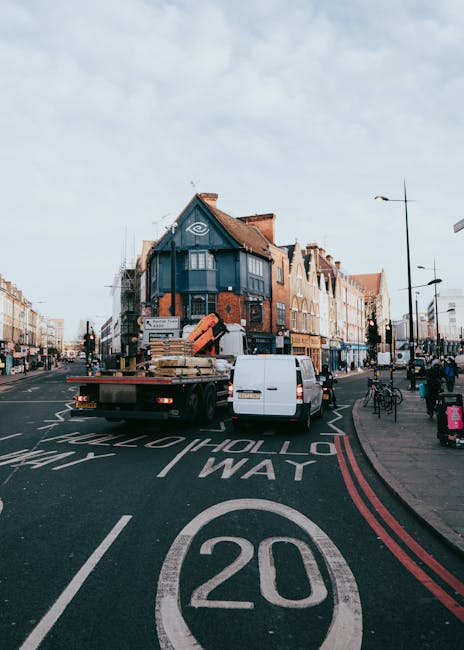
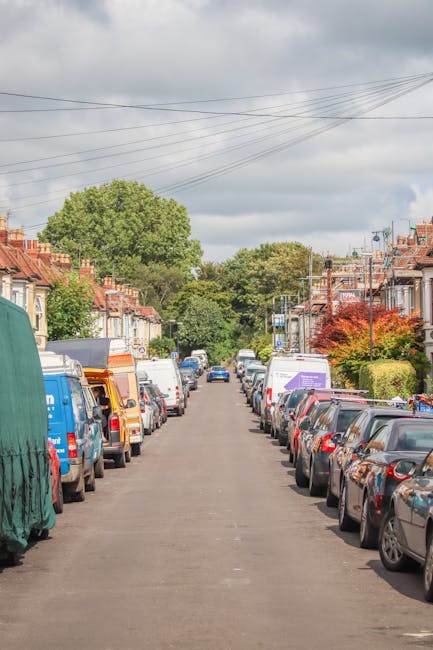
Removals Romford Road Forest Gate access tips: a practical guide for smoother moving day
Moving on or near Romford Road in Forest Gate can look straightforward on a map and still become awkward on the day. Traffic builds quickly, parking is tight, dropped kerbs are patchy in places, and a van that seems perfectly sized on paper can become a poor fit once you meet a busy high street, a narrow entrance, or a flight of stairs. That is why Removals Romford Road Forest Gate access tips matter so much: they help you avoid delay, protect your belongings, and make the job easier for everyone involved.
This guide brings together the practical details that make a real difference on local moves. You will find a clear planning process, access advice, common mistakes to avoid, useful comparisons, and a simple checklist you can use before the van arrives. If you are organising a flat move, a house move, or a single-item collection, the goal is the same: reduce friction and keep the day moving.
For broader planning support, it can also help to look at a few related resources such as the full removal services overview, packing and boxes guidance, and insurance and safety information. Those pages are useful if you are weighing up how much you want to do yourself and what is better left to professionals.
Why Removals Romford Road Forest Gate access tips Matters
Romford Road is one of those routes where small details have a big impact. A move can be held up by busier-than-expected traffic, waiting restrictions, awkward loading positions, or simply not having enough space for a van to stop safely. In practical terms, access planning is about reducing avoidable problems before they turn into expensive delays.
That matters for several reasons. First, it helps protect your furniture and fragile items. The longer a sofa, wardrobe, fridge, or box stack sits half-loaded on a pavement, the more chance there is of damage. Second, it reduces stress. There is a huge difference between a move that feels controlled and one that turns into a constant scramble for parking and spare hands. Third, it saves time, and time matters when you are paying for removals by the hour or trying to fit a move around work, children, or building access windows.
There is also a neighbourly side to it. Clear access means less blocking, less noise, fewer awkward conversations on the pavement, and a better chance of keeping the day calm. Truth be told, the people you share the street with will usually appreciate a move that looks organised rather than improvised.
How Removals Romford Road Forest Gate access tips Works
Access planning is not a single task. It is a chain of small checks that work together. You start with the property, then the street, then the van, then the carrying route from door to vehicle. If one part is weak, the whole move becomes slower.
In a normal local removal, a good access plan usually includes the following:
- Confirming the exact pickup and delivery addresses, including flat numbers, side entrances, gated areas, or basement access.
- Checking whether the van can legally and safely stop close enough to the property.
- Looking for height limits, width limits, bollards, parking suspensions, school-run congestion, or one-way restrictions.
- Measuring larger items so the team knows whether they will fit through the front door, stairwell, lift, or hallway.
- Identifying where items can be staged temporarily without blocking fire exits or neighbour access.
- Deciding whether dismantling, extra carrying help, or a smaller shuttle vehicle is needed.
If you want a simple way to think about it, access planning asks one question repeatedly: how do we move each item from point A to point B with the least possible friction? That is the real job.
For some moves, especially if you are using a smaller vehicle or need flexible timing, a man and van service in Forest Gate can be more practical than a larger removal lorry. For larger or more complex homes, a dedicated house removals service may be the better fit. If you are not sure which route suits your property, that is exactly the kind of decision worth making early.
Key Benefits and Practical Advantages
Good access planning does more than make a move feel tidy. It changes the economics and the physical effort of the day.
| Benefit | What it means in practice | Why it helps |
|---|---|---|
| Faster loading | Less time carrying items over long distances | Reduces labour and keeps schedules on track |
| Lower damage risk | Fewer tight turns, bumps, and awkward lifts | Protects furniture, walls, and door frames |
| Better parking control | Less time spent searching for a suitable stop | Helps avoid stress and unnecessary waiting |
| Safer handling | Clearer routes and fewer obstacles | Reduces strain and trip hazards |
| More accurate pricing | Clearer understanding of time and manpower needs | Makes quotes more realistic |
There is a financial angle too. When the route from property to van is short and clear, the team can work more efficiently. That often means the move is simpler to schedule, and in some cases it can reduce the need for extra handling time. It is not magic; it is just logistics done properly.
You also gain flexibility. If the road is busier than expected, a plan that already includes a fallback position, alternate loading point, or timed arrival window is far easier to adapt. That is one of the reasons many customers prefer to work with a service that explains timing clearly, such as delivery at the best time for you.
Who This Is For and When It Makes Sense
Access tips are useful for almost anyone moving around Forest Gate, but they become especially valuable in a few situations.
- Flat movers who have stair access, shared hallways, or lifts that may be too small for larger furniture.
- Home movers on busier sections of Romford Road where stopping space is limited.
- Students and renters who are moving quickly and may not have a lot of time to plan.
- Office and small business moves where timing, loading, and parking must be tightly coordinated.
- People with bulky or delicate items such as pianos, wardrobes, sofas, or large appliances.
It also makes sense if you are trying to avoid last-minute scrambling. If you have ever spent ten minutes circling for parking while someone stands in a doorway holding the front door open, you already know the difference a few checks can make.
When you are moving a fragile or unusually heavy item, the access conversation becomes even more important. Services like piano removals and furniture removals depend on clear routes, decent manoeuvring space, and careful handling. The item itself may be manageable; the route is often the real challenge.
Step-by-Step Guidance
Use the following process to reduce problems before moving day.
1. Map the access route properly
Do not stop at the postcode. Walk through the route from street to front door and note anything that could slow the crew down: narrow gates, steps, tight corners, awkward intercom systems, poor lighting, or low branches. If the property is in a block, check the lift dimensions and whether the lift can actually handle your biggest items.
2. Identify where the van can stop
On Romford Road and the surrounding Forest Gate streets, the nearest legal stop is not always the best stop. You need a place where the vehicle can safely load without creating a hazard or causing unnecessary conflict with traffic. If you are unsure, take photos of the road outside your property and share them with the removals provider in advance.
3. Measure the large items first
Measure wardrobes, beds, sofas, desks, appliances, and any item that cannot be easily turned or folded. Then compare those dimensions with door widths, stair turns, and lift openings. This tiny bit of admin can prevent a very expensive "it almost fits" moment.
4. Decide what needs dismantling
Sometimes a bed frame, table, or wardrobe will move safely only if it is taken apart. If you plan ahead, dismantling becomes a routine step rather than a panic job with screws rolling under the radiator. For bedding and mattresses, it can be helpful to follow practical advice from bed and mattress moving guidance.
5. Clear the corridor from the door to the van
Inside the property, the best move is the simplest route. Remove loose rugs, shoes, drying racks, recycling bags, and anything that could catch a foot or block a turn. A clean route helps the team keep a steady pace and reduces the chance of knocks.
6. Plan loading order
Load the heaviest and least fragile items first, unless access conditions mean a smarter order is needed. For example, if the property has a very tight stairwell, you may want the largest item moved before boxes begin to stack up in the hallway. The order should suit the route, not the other way around.
7. Allow for timing buffers
On a busy road, buffers matter. A delivery that is due at 9:00 may not start loading at 9:00 if parking is delayed or the previous job runs long. Build a little breathing room into your day. It keeps one setback from becoming a chain reaction.
Expert Tips for Better Results
These are the practical habits that usually separate a smooth move from a frustrating one.
- Send photos before moving day. Photos of the front of the property, the entrance, any stairs, and the parking situation help a removals team understand the site quickly.
- Keep the first-load items ready. If certain items need to go first, label them clearly or place them in one area. That reduces decision-making on the doorstep.
- Use colour or number labels. This is especially useful for flats or shared homes where boxes can otherwise end up in the wrong room.
- Protect door frames and corners. A few blankets or protectors can stop small knocks becoming visible damage.
- Tell the crew about weak points. If a stair is loose, a bannister is fragile, or a hallway is unusually tight, say so early.
- Think about weather. Rain makes steps slippery and cardboard weakens quickly. Have covers and a dry staging point ready if possible.
One small but useful habit: keep a basic "last off, first on" box. It should contain essentials like keys, chargers, tea bags, toiletries, medication, and documents. That box should not be buried under a mountain of kitchenware, no matter how satisfying it looks on the packing list.
For more practical moving preparation, the article on packing like a pro is a good companion read. If you are trying to lighten the load beforehand, you may also find decluttering advice useful.
Common Mistakes to Avoid
Most access problems are predictable. That is the good news. The bad news is they are also very easy to repeat.
- Assuming the postcode tells the whole story. It does not. Two properties on the same road can have very different loading conditions.
- Leaving parking decisions until the van arrives. This is one of the fastest ways to lose time.
- Ignoring building rules. Some blocks have booking slots, lift reservations, or access restrictions that are easy to miss until the day itself.
- Underestimating item size. "It came in assembled" does not always mean it leaves assembled.
- Forgetting about shared spaces. Stairwells, communal hallways, and entrances need to stay clear for safety and neighbour access.
- Not checking the weather. A wet move is still manageable, but only if you have the right coverings and enough hands.
- Not telling the removals team about awkward items. Surprises slow everybody down.
A lot of these mistakes come from trying to be optimistic. Fair enough, moving is stressful. But a few minutes of realistic planning usually beats an hour of improvisation.
Tools, Resources and Recommendations
You do not need specialist equipment for every move, but a handful of practical tools can make access much easier.
- Measuring tape for doors, furniture, hallways, and lift openings.
- Phone camera for photographing access points and parking conditions.
- Furniture blankets to protect larger items and tight corners.
- Ratchet straps or tie-downs for keeping loaded items stable in the van.
- Labels and marker pens for room-by-room organisation.
- Protective gloves for better grip when lifting boxes and smaller furniture.
- Flat dollies or sack trucks where appropriate for heavier loads.
If you are comparing service types, start with the overall service structure. A good removal services page should tell you what is included, what the team expects from you, and how access issues are handled. If you need a broader local option, a removals company in Forest Gate that can explain access planning plainly is usually a safer bet than one that sounds vague.
If storage is part of the picture, it is worth considering whether some items should move in a second phase rather than on the main moving day. A storage solution can be useful when access is tight, dates do not line up neatly, or you need to reduce the volume being handled at once.
Law, Compliance, Standards, or Best Practice
For local removals, the main compliance concern is usually safe and lawful vehicle positioning, plus the duty to avoid blocking traffic, footways, or emergency access. Exact rules depend on the street, the borough, and the location itself, so it is sensible to check local restrictions rather than assume a van can stop wherever looks convenient.
Best practice normally means:
- parking only where permitted and safe;
- keeping pedestrian routes open where possible;
- using sensible lifting methods and enough people for heavier items;
- protecting common areas in flats and shared buildings;
- communicating access issues in advance instead of improvising on arrival.
From a safety point of view, moving work should follow careful manual-handling habits. Heavy items should not be lifted solo if they can be avoided, especially on stairs or in tight areas. If you want a straightforward explanation of safe handling, the guide on lifting heavy objects safely is worth a read. For a wider safety perspective, health and safety policy information can also help set expectations.
One other point: if you are moving from or into a managed building, check whether the landlord, managing agent, or concierge has access procedures. That is not legal complexity for the sake of it; it is simply how many buildings reduce disruption. The earlier you ask, the easier the day usually becomes.
Options, Methods, or Comparison Table
Different moves on Romford Road call for different approaches. Here is a simple comparison.
| Method | Best for | Strengths | Limitations |
|---|---|---|---|
| Small van or man and van | Compact flats, single items, short local moves | Flexible, easier to park, efficient for tight access | Less space for larger loads or multiple big items |
| Standard removal van | Typical one- or two-bedroom moves | Better capacity, suitable for fuller homes | May need more careful parking and route planning |
| Full house removals | Family homes, larger furniture sets, long item lists | More support, better for volume and coordination | Needs tighter scheduling and access preparation |
| Split move with storage | Delayed handovers or restricted access | Reduces pressure on one day | Requires extra planning and possibly extra cost |
The right option depends less on "biggest vehicle wins" and more on what the street and property can comfortably support. On a busy stretch of road, a smaller and smarter setup often outperforms a larger one that has nowhere to stop.
If you are still deciding, a good starting point is to compare the local options and look at service scope. Pages such as man with van services and man with a van support can be useful if your move is relatively compact and access is your main concern.
Case Study or Real-World Example
Consider a realistic Forest Gate move from a first-floor flat off Romford Road. The property itself is not unusual, but the access is tight: shared entry, narrow stairs, limited street stopping space, and a sofa that is just a little too confident about its own dimensions.
The move goes well because the planning is done in advance. The customer sends photos of the stairwell, the sofa is measured properly, and the team agrees that one part of it should be removed before transport. The van is scheduled for a quieter loading window, and boxes are grouped by room so the carrying route stays clear. A neighbour still opens the door at the most inconvenient moment possible - moving day enjoys small acts of drama - but the job continues smoothly because the essentials were handled early.
What made the difference was not brute force. It was preparation, communication, and a realistic reading of access. The customer did not need to become a logistics expert overnight; they just needed to share the right information before the moving day started.
This same pattern applies to many local jobs, from simple flat moves to larger home removals. If you know access will be awkward, it is usually worth saying so plainly rather than hoping the crew will discover it in a convenient way.
Practical Checklist
Use this checklist in the days before your move.
- Confirm full address details, floor level, and flat number.
- Take photos of the entrance, stairwell, parking area, and any obstacles.
- Measure large furniture, appliances, and awkward items.
- Check whether any furniture needs dismantling.
- Confirm any building rules, lift bookings, or concierge requirements.
- Reserve a clear path from door to van inside the property.
- Prepare parking information and any known restrictions.
- Pack a first-night box with essentials.
- Protect fragile edges, mirrors, and screens.
- Tell the removals team about anything heavy, fragile, or unusually shaped.
- Keep keys, documents, and chargers with you.
- Have a backup plan if access is tighter than expected.
Expert summary: the best Forest Gate moves are rarely the most complicated ones; they are the ones where the access problem is solved before the first box leaves the hallway. That simple shift in planning saves time, reduces risk, and makes the whole day feel more under control.
Conclusion
Access planning is the quiet engine behind a successful move on Romford Road and across Forest Gate. It helps you avoid delays, protect furniture, manage parking, and keep stress levels down. More importantly, it turns moving day into something manageable rather than something to survive.
If you remember only one thing, make it this: the road outside the property matters just as much as the rooms inside it. Measure, photograph, confirm, and communicate early. That is how you stay ahead of problems that are far easier to prevent than solve at the kerbside.
If you are ready to turn that planning into action, speak to a local team that understands the area and can help you choose the right approach for your access, timing, and load size.
Get a free quote today and see how much you can save.
Frequently Asked Questions
What are the most important access tips for removals on Romford Road in Forest Gate?
The key points are parking, timing, and route planning. Check where the van can stop legally, measure any awkward furniture, and make sure the path from the property to the vehicle is clear.
How do I know if a van will fit near my property?
Look at the width of the road, nearby parked cars, and any restrictions such as yellow lines or loading limits. Photos are often more helpful than a written description, so send them to the removals provider if possible.
Should I book a smaller van for tighter access?
Often, yes. A smaller vehicle or man and van setup can be easier to position on busy streets and may suit flats or short local moves better than a larger removal truck.
Do I need to dismantle furniture before the move?
Only if it improves access or makes the item safer to carry. Beds, wardrobes, and some tables often move more easily when partly dismantled.
What should I tell the removals team before moving day?
Share anything that affects access: stairs, narrow hallways, lift restrictions, parking issues, fragile flooring, heavy items, and any special entry instructions.
How early should I plan access for a Forest Gate move?
As early as you can. Ideally, check access a few days before the move so there is time to arrange parking, confirm building rules, or change the vehicle plan if needed.
What if parking is restricted on the day?
Have a backup plan. That may mean a different loading point, a different arrival window, or a smaller vehicle that can stop more easily.
Are flat moves more difficult than house moves in this area?
They can be, mainly because stairs, lifts, and shared entrances add extra access points to manage. With proper planning, though, flat moves are usually very manageable.
Is it worth using storage if access is difficult?
Yes, if splitting the move makes the day easier. Storage can reduce the number of items handled at once and make a tight access route less stressful.
How can I protect walls and floors during a move?
Use blankets, protectors, and sensible carrying routes. Clear the path beforehand and avoid dragging items whenever possible.
What is the biggest mistake people make with local removals access?
They assume the street outside the property will be simple to use on the day. In reality, parking and stopping space often take more planning than the packing itself.
Can I combine access planning with a same-day move?
Yes, but it is even more important to be prepared. If you are using a faster turnaround, a local team such as same-day removals in Forest Gate can help, provided access details are shared early and clearly.