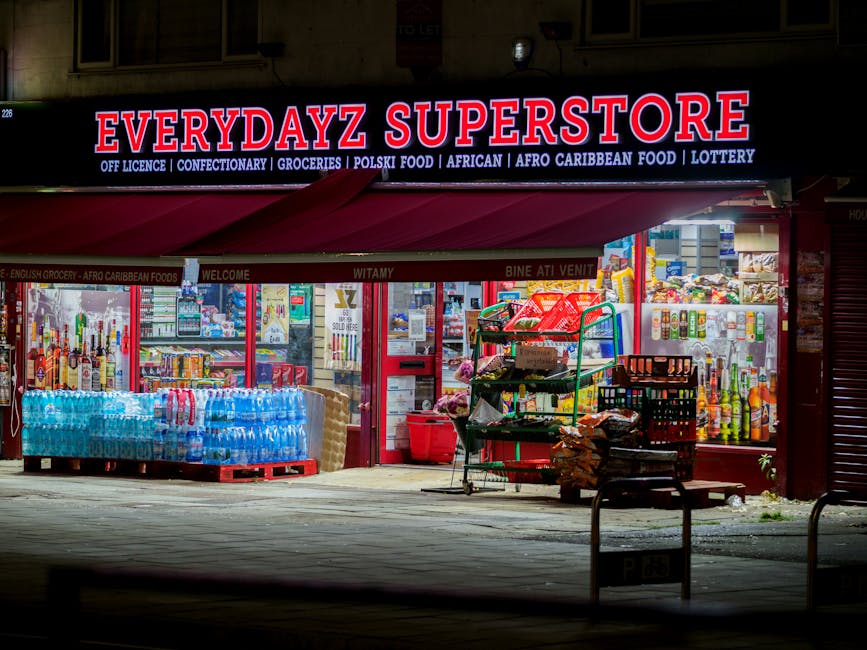
What to know about loading bay etiquette for Forest Gate Market E7
If you are moving stock, delivering furniture, or arranging a van near Forest Gate Market E7, loading bay etiquette can make the difference between a smooth job and a stressful one. In a busy part of East London, space is tight, people are in a hurry, and one badly parked vehicle can throw the whole morning off. Truth be told, most problems are avoidable once you understand the local rhythm: arrive prepared, keep the bay moving, and be courteous to everyone sharing the space.
This guide explains what to know about loading bay etiquette for Forest Gate Market E7 in plain English. You will learn how loading bays are typically used, what good practice looks like, which mistakes cause the most friction, and how to plan your stop so you are not left double-parked with a trolley full of boxes and nowhere to go. It is practical, local, and based on the sort of real-world detail that saves time on the day.
For readers planning a move or commercial delivery, it also helps to understand the wider service context. If your job is larger than a quick drop-off, our overview of removal services can give you a better sense of the support usually needed around access, timing, and vehicle choice.
Table of Contents
- Why loading bay etiquette matters
- How loading bay use works in practice
- Key benefits and practical advantages
- Who this is for and when it makes sense
- Step-by-step guidance
- Expert tips for better results
- Common mistakes to avoid
- Tools, resources and recommendations
- Law, compliance, standards, or best practice
- Options, methods, or comparison table
- Case study or real-world example
- Practical checklist
- Conclusion
- Frequently Asked Questions
Why What to know about loading bay etiquette for Forest Gate Market E7 Matters
Loading bays are shared working spaces. That sounds obvious, but it is easy to forget when you are focused on the job in front of you. In a market area, especially one with steady footfall and frequent short stops, the loading bay is not just a parking spot. It is a temporary working zone where timing, manners, and a bit of forethought really matter.
Good etiquette reduces conflict, keeps traffic flowing, and helps avoid the sort of awkward conversations nobody enjoys first thing in the morning. A driver who blocks the bay too long can delay another trader, frustrate nearby residents, or slow down a whole chain of deliveries. On the other hand, someone who parks neatly, unloads efficiently, and moves on promptly usually gets a far easier day. Funny how that works.
There is also a safety angle. Bays often sit near pedestrians, pushchairs, scooters, cyclists, and other vehicles manoeuvring in tight spaces. If you are rushing, the margin for error shrinks fast. So etiquette is not just about being polite; it is part of managing risk sensibly. A calm, tidy loading routine helps everyone.
At a local level, Forest Gate and the wider E7 area can be busy and slightly unpredictable. School runs, market activity, residential parking, and passing trade all add pressure. If you have ever tried to reverse a van while someone is checking their phone right behind you, you will know the feeling. It is not ideal.
Expert summary: the best loading bay users treat the space like a shared resource, not private parking. That mindset alone prevents most disputes, delays, and complaints.
How What to know about loading bay etiquette for Forest Gate Market E7 Works
Loading bay etiquette is the unwritten but very real set of behaviours that makes access work smoothly. In practice, it usually means arriving with a clear plan, using the bay only for active loading or unloading, and leaving as soon as the task is complete. That is the simple version. The slightly longer version is where most of the value sits.
What good loading bay use looks like
A good loading bay user arrives ready to work. The vehicle is sized appropriately, the items are packed in a sensible order, and the driver knows roughly how long the stop should take. Doors should open without delay, the load should come out quickly, and someone should keep an eye on the surroundings rather than disappearing into a building for ten minutes.
In many real-world situations, the most courteous thing you can do is be efficient. If you need to sort paperwork, make a phone call, or have a long discussion about where the sofa is going, do that before you take the bay. Not while everyone else is waiting.
What the bay is for, and what it is not
The bay is for loading and unloading. That means moving goods between vehicle and premises in an active, continuous way. It is not a place to leave the van while you go shopping, grab coffee, or wait for someone to "just come down in a minute." Everyone knows that person, and nobody likes that person.
If your job is more involved, such as a full household move or a commercial relocation, you may need to think about parking strategy, manpower, and vehicle access together. For example, a compact vehicle from man and van style services can suit shorter stops better than a larger lorry, especially when space is tight around market streets.
The practical flow of a typical stop
Most loading bay use follows a pretty standard rhythm:
- Arrive at the agreed time, or as close to it as possible.
- Check the space, the signage, and the immediate surroundings.
- Position the vehicle cleanly and without blocking movement more than necessary.
- Unload or load continuously.
- Keep pedestrian routes, shop entrances, and crossing points clear.
- Leave promptly once the job is done.
That flow sounds simple, but it works because it keeps decisions small and practical. No dithering. No wandering off. No leaving the tail lift down while everybody else waits.
Key Benefits and Practical Advantages
Following loading bay etiquette is not just about avoiding grumbles. It creates real, measurable advantages on the day. Some are obvious. Some only become obvious after you have had one bad experience and swore never again.
- Fewer delays: efficient stopping means less time circling for space or waiting for access.
- Lower stress: clear expectations make the whole process feel more manageable.
- Better relationships: traders, residents, and nearby businesses notice when you are considerate.
- Reduced risk: tidy loading lowers the chance of collisions, slips, or rushed lifting mistakes.
- Improved productivity: the job gets done faster when everyone knows the plan.
There is a commercial benefit too. If you operate in or around Forest Gate Market E7, a reputation for being quick and respectful is worth a lot. People remember the driver who does not block the entrance and the crew who clear the bay before the next vehicle arrives. Small thing, big effect.
For businesses that need regular access, clear planning also ties into vehicle choice and route planning. Our moving truck page is useful if you want to compare larger vehicle capacity against the realities of tight urban access. Sometimes smaller is simply easier.
Who This Is For and When It Makes Sense
Loading bay etiquette matters to a wide mix of people, not just removal crews. If you are around Forest Gate Market E7, you may need to think about it if you are:
- a market trader restocking goods
- a delivery driver dropping off stock or equipment
- a homeowner moving furniture in or out of a flat
- a landlord handling end-of-tenancy clearance
- a small business owner receiving supplies
- a removals team working on a tight timetable
- someone arranging bulky-item collection
It makes sense any time the load is bulky, time-sensitive, or awkward to carry. A single chest of drawers is one thing; a van full of packed boxes at 8:30 on a busy weekday is another. And let's face it, most loading bay stress starts with underestimating how long the job will actually take.
It also makes sense when you are not fully in control of the timing. If the person handing over keys is running late, if lifts are slow, or if access inside the building is awkward, a loading bay can become a bottleneck. That is exactly when etiquette matters most, because everyone around you can feel the delay.
Step-by-Step Guidance
If you want to use a loading bay properly at Forest Gate Market E7, keep it simple and structured. The best jobs feel boring in the best possible way: predictable, tidy, and uneventful.
1. Check access before you arrive
Before setting off, look at the route, the likely turning space, and any access constraints at the destination. A quick call or message beforehand can save a lot of guesswork. If the bay is busy, if the street is narrow, or if there is a time window to hit, you want to know that early.
2. Choose the right vehicle
One of the easiest mistakes is turning up in a van that is far larger than the job needs. Bigger is not always better. In a market area, a smaller, more manoeuvrable vehicle can be much easier to position safely. If you are comparing options, our removal van page may help you think through capacity versus access.
3. Prepare the load in advance
Have items ready to go before you occupy the bay. That means trolleys ready, boxes sealed, labels visible, and bulky items protected. The more you fumble around at the back of the vehicle, the longer the bay is blocked. Simple, but hugely important.
4. Park cleanly and keep your positioning sensible
Do not drift across the bay or leave a rear door swinging into the path of pedestrians. Park in a way that gives you room to work without forcing others into the road. You may only need a little extra patience here, but it makes a big difference.
5. Load or unload continuously
Once you start, keep going. If you need a break, step aside only if it will not block the bay unnecessarily. A stop that drags on for no good reason is where etiquette breaks down. The goal is active use, not occupancy.
6. Communicate clearly
If someone is waiting behind you, a quick nod, a short explanation, or a clear "just two minutes" can ease tension. You do not need a speech. Just enough to show that you are aware of other people's time. That little bit of communication helps more than you might think.
7. Leave the space properly
Once the work is done, move off immediately. Make sure nothing has been left behind, the vehicle is secure, and the bay is left tidy. No one enjoys a half-cleared job, least of all the next user.
Expert Tips for Better Results
After many moves and delivery runs, a few habits consistently make loading bay work smoother. They are not glamorous. They just work.
Tip 1: Build a buffer into your timing. If you think loading will take twenty minutes, give yourself thirty. Traffic, lift delays, and awkward stairwells always seem to appear when you are running late.
Tip 2: Assign one person to watch the surroundings. Even on a small job, somebody should be looking out for pedestrians, cyclists, and cars edging closer than they should. It sounds obvious, but people forget the outside world once the boxes start moving.
Tip 3: Keep frequently needed items near the door. If you know which boxes or items will come out first, put them at the easiest point to reach. There is no prize for digging past the winter coats to find a kettle.
Tip 4: Use equipment that suits the site. A sack truck, blankets, straps, and a simple trolley can turn a clumsy process into a neat one. Sometimes the right tool saves more time than an extra pair of hands.
Tip 5: Stay calm if the bay is occupied. Nobody likes waiting, but shouting across the street rarely improves the situation. Check for nearby legal stopping options, reassess the timetable, and keep the tone civil. That, honestly, is where good operators stand out.
If you are dealing with fragile or heavy items, extra care matters even more. For instance, piano moving or oversized furniture needs planning beyond basic loading manners. Our article on the complexity of piano moving and its risks is a good reminder that specialist items demand specialist thinking.
Common Mistakes to Avoid
Most loading bay problems are not dramatic. They are small bad habits that stack up. Here are the ones that cause the most trouble in real life.
- Arriving without checking access: assuming there will be space can leave you stuck circling.
- Using the bay like a parking space: if you are not actively loading or unloading, you are probably in the wrong place.
- Underestimating time: five minutes becomes fifteen quickly if someone cannot find keys or labels.
- Leaving items in the way: the path from van to doorway should stay as clear as possible.
- Blocking visibility: a poorly positioned vehicle can create a safety issue for everyone nearby.
- Ignoring nearby businesses or residents: even a short stop can be disruptive if handled carelessly.
- Using poor lifting technique: rushing leads to strains and dropped items. Not worth it.
One subtle mistake is talking yourself into "just one more minute." That is how a quick stop turns into a headache. Be honest with yourself about timing. If the job is bigger, plan for that up front.
Another common issue is failing to think about the route from the bay to the building entrance. A bay might be available, but if the pavement is crowded or the doorway is awkward, the job can still be messy. Better to spot that early than improvise under pressure.
Tools, Resources and Recommendations
You do not need a complicated kit to handle loading bay work well, but the right basics make a real difference. In our experience, a little preparation saves a lot of heavy lifting.
| Tool or Resource | Why it helps | Best for |
|---|---|---|
| Sack truck or trolley | Speeds up movement of boxes and smaller furniture | Repeated trips, bulky cartons, light commercial deliveries |
| Protective blankets | Reduces damage to furniture and walls | House removals, furniture pick-ups, fragile loads |
| Ratchet straps or tie-downs | Helps keep the load stable in transit | Mixed loads, uneven stacking, longer journeys |
| Labels and marker pens | Makes the unload quicker and more organised | Moves with multiple rooms or destinations |
| Phone with route and timing notes | Helps keep the stop on schedule | Any job with time-sensitive access |
If you are planning a broader move, a little organisation goes a long way. Packing properly can remove a lot of bay pressure because you spend less time sorting things at the kerb. Our guide to essential packing tips for a big move is useful if you want to cut the faff before the van even arrives.
It is also worth thinking about disposal and sustainability. If a move involves unwanted items or packaging, having a plan helps prevent clutter around the loading area. That makes the day cleaner and calmer, which is always welcome.
Law, Compliance, Standards, or Best Practice
Loading bay etiquette sits alongside formal rules, even if the etiquette itself is mostly about common sense and courtesy. In London, stopping, waiting, loading, and unloading can be affected by local restrictions, road signs, traffic orders, and site-specific arrangements. The exact rules depend on the location, the time, and the vehicle's activity, so it is wise not to assume every bay works the same way.
Where a loading bay is signposted, you should treat the signage as the primary instruction. If parking controls apply, they may limit how long you can remain or what type of activity is allowed. For that reason, planning the task around the bay's conditions is part of good practice, not an optional extra.
Safety also matters. Operators should take reasonable steps to prevent injury and damage, which means keeping walkways clear, securing loads properly, and using appropriate lifting techniques. That applies whether you are a sole trader with a van or part of a larger removal team. Nobody wants a bad back because someone decided to lift a fridge in a hurry.
At a best-practice level, the following principles are worth following:
- use the bay only for genuine loading or unloading
- avoid leaving the vehicle unattended for long periods
- keep communication clear with the team and with anyone waiting nearby
- check local signage before stopping
- plan for pedestrian safety as well as vehicle access
If you need reassurance around business standards, our health and safety policy and insurance and safety information show the kind of care expected on a professional job. That sort of detail matters, especially when working in busy public spaces.
Options, Methods, or Comparison Table
There is more than one way to handle a loading task near Forest Gate Market E7. The right method depends on the size of the load, the time available, and how tight access is on the day.
| Approach | Best suited to | Pros | Trade-offs |
|---|---|---|---|
| Quick van stop | Small deliveries, one or two items, short turnarounds | Fast, simple, less disruption | Not suitable for larger or awkward loads |
| Planned multi-item unload | Boxes, stock deliveries, mixed household items | Organised, more efficient, easier to manage | Needs clearer timing and more handling space |
| Dedicated removal crew | Full moves, bulky furniture, business relocations | Better coordination, safer lifting, more efficient use of time | Requires booking and more careful scheduling |
| Small-vehicle access plan | Tight streets, limited bays, market-adjacent stops | Easier manoeuvring, lower risk of blocking traffic | Lower capacity means more thought about load planning |
For many Forest Gate jobs, a smaller vehicle with a disciplined unload process is actually the best option. Bigger vehicles can look efficient on paper and then become awkward in practice. Streets do not care about your spreadsheet.
If you are weighing up the type of move, our commercial moves and home moves pages can help you think through the difference between business access and domestic access. They are not the same, and pretending they are usually creates avoidable friction.
Case Study or Real-World Example
Here is a simple example from a typical weekday scenario.
A small independent trader needs to restock goods near Forest Gate Market E7 before lunchtime. The van arrives just after the morning rush, with boxes already sorted by priority. One person stays with the vehicle while another carries stock inside. The team checks the bay first, keeps the rear doors open only when needed, and finishes the stop in one continuous run. No long chats. No wandering. No leaving boxes on the pavement.
Now compare that with a less organised version. Same load, same street, but the driver parks without checking timing, then spends ten minutes searching for the right paperwork while the van sits half in, half out of the bay. Another vehicle arrives. A pedestrian walks round the back of the van. Everyone gets tense. Nothing catastrophic happens, but the whole mood shifts. You can almost hear the sighs. That is what bad etiquette does: it multiplies small problems.
The first scenario works because the team respects the shared space. The second stalls because the team treats the bay like personal storage. It really is that straightforward, even if the day itself feels hectic.
Practical Checklist
Use this checklist before and during your stop at Forest Gate Market E7. It is simple, but it catches the things people often miss when they are in a hurry.
- Confirm the exact address and access point before leaving
- Check whether your vehicle size suits the route and bay
- Prepare boxes, tools, and trolleys in advance
- Review any local signage or timing restrictions on arrival
- Keep the load sequence logical and easy to reach
- Leave a clear path for pedestrians and other vehicles
- Use one person to keep an eye on the surroundings if possible
- Unload continuously rather than in stop-start bursts
- Keep conversation and admin to a minimum while occupying the bay
- Leave promptly once the job is complete
Quick reminder: if the stop is taking longer than planned, pause and reassess. It is better to adjust early than to let a short hold-up become a crowding problem.
If you are in the middle of a bigger move and feel the day is starting to get away from you, that is usually the moment to slow down, not speed up. A minute of calm can save ten minutes of mess. Sometimes that is the whole game.
Get a free quote today and see how much you can save.
Conclusion
What to know about loading bay etiquette for Forest Gate Market E7 comes down to a few practical habits: plan ahead, use the space actively, keep things moving, and stay aware of the people around you. Nothing flashy. Just good working behaviour that makes the whole area easier to use.
Whether you are delivering stock, moving furniture, or managing a busy removals schedule, the same principles apply. The better prepared you are, the less stress you create for yourself and everyone else. That is especially true in a place like Forest Gate, where access can change quickly from one minute to the next.
Get the basics right and the rest becomes far less dramatic. Honestly, that is what most good loading days look like: a bit of preparation, a little patience, and a tidy finish. And that is usually enough.
Frequently Asked Questions
What does loading bay etiquette actually mean?
It means using the loading bay in a considerate, efficient, and safe way. In practical terms, you only use it while actively loading or unloading, you avoid blocking others for longer than necessary, and you keep the area as clear as possible.
Can I leave my van in a loading bay while I go inside?
Only if you are still actively loading or unloading and doing so within any local rules that apply. Leaving the van and walking off for a long time is poor practice and can lead to complaints or enforcement issues.
How long should a loading stop take?
That depends on the size of the job, but the general rule is to be as quick and organised as you reasonably can. If the stop is getting lengthy, it may mean you need a better plan, a different vehicle, or more hands on site.
What should I do if the loading bay is already occupied?
Stay calm, reassess your timing, and look for lawful alternatives nearby. Do not block traffic or force a risky manoeuvre just to save a minute. A patient approach is usually safer and less stressful.
Is a loading bay the same as regular parking?
No. A loading bay is for active loading and unloading, not general parking. Treating it like a parking space is one of the quickest ways to create delays and frustration.
What type of vehicle is best for tight access near Forest Gate Market E7?
A smaller, manoeuvrable vehicle is often easier in tight urban areas. That said, the best choice depends on what you are moving and how much space you have to work with. Bigger vehicles can be efficient, but only if access allows it.
Do I need special equipment for a loading bay job?
Not always, but basic equipment like a trolley, straps, and protective blankets can make a big difference. They help you work faster and reduce the chance of damage or injury.
What are the biggest mistakes people make?
The most common mistakes are underestimating time, blocking the bay too long, arriving without a plan, and failing to consider pedestrian safety. These are all avoidable with a bit of preparation.
How do I keep a loading area safe in a busy market zone?
Keep walkways clear, avoid sudden reversing or awkward turns, and make sure someone is watching the surroundings if the job is more complex. Slow is often safer than rushed in a tight space.
Should I book help for a larger move near Forest Gate Market E7?
If the job involves bulky furniture, multiple trips, or limited access, yes, it is often worth booking help. A proper plan and the right vehicle can save far more time than trying to wing it on the day.
How can I make a loading bay stop quicker?
Prepare the load in advance, choose the right vehicle, keep the route from van to door clear, and avoid unnecessary pauses. Small organisational steps can shave a surprising amount of time off the stop.
Where can I learn more about local moving support?
Start with the service pages that match your situation, whether that is domestic moving, commercial work, or a smaller van-based job. For many readers, the useful next step is choosing the right service size and access plan before the day arrives.