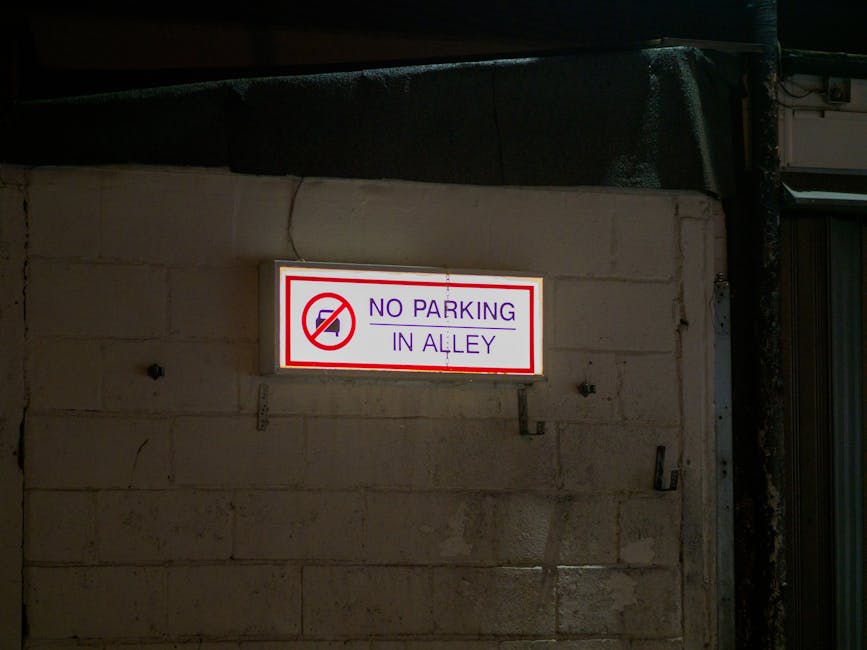
Parking restrictions Romford Road removals Newham rules: a practical moving guide
If you are planning a move around Romford Road, the parking side of the job can make or break the day. A van that can't stop close enough to the property means longer carry distances, more handling, more stress, and sometimes extra costs. That is why Parking restrictions Romford Road removals Newham rules matter so much. In a busy stretch like this, you need to think about yellow lines, loading bay availability, local permit conditions, traffic timing, and whether the access plan actually matches the street outside. Let's face it, the sofa does not care about your parking headache, but the removal crew certainly will.
This guide breaks everything down in plain English: what the rules usually mean in practice, how to plan a compliant move, what mistakes to avoid, and when it makes sense to get help from a local team that knows the area. If you are also planning the packing side, it can help to look at essential packing tips for a big move and the company's advice on packing your items before collection.
Why Parking restrictions Romford Road removals Newham rules Matters
Parking is rarely just a parking issue on a removal day. It affects how long the crew spends on site, whether bulky items can be moved safely, and whether the vehicle can stop legally and sensibly near the entrance. On Romford Road, where traffic can be steady and kerb space can disappear fast, a small planning mistake can snowball. You might think, "It's only a few minutes," and then suddenly the van is circling, the lift window is slipping away, and a neighbour is waiting to get out. Not ideal.
Newham's local parking controls are relevant because removal vehicles are still expected to follow the signs and restrictions on the street. That means you need to account for waiting restrictions, loading limits, suspended bays, and any time-based restrictions that could affect a stop outside the property. In practical terms, the move becomes easier when you know in advance whether the van can wait, load, or only stop briefly. That one detail changes everything.
For properties with awkward access, the parking plan matters just as much as the internal stairs. A short carry from van to front door can protect furniture, reduce damage risk, and keep the move moving. If you are dealing with a narrow doorway or a tight landing as well as the road itself, the article on tight access removals in Forest Gate is a useful companion read.
Expert summary: The smartest Romford Road removals are usually the ones that treat parking as part of the move, not an afterthought. If the van can position well, everything else tends to run smoother.
How Parking restrictions Romford Road removals Newham rules Works
In simple terms, the process is about matching your moving plan to the restrictions on the street. You check where the van can stop, how long it can stay, what time of day the stop is allowed, and whether any special permission or temporary arrangement is needed. In many cases, the rules are shaped by the street markings and local enforcement rather than the move itself. A removal does not automatically cancel parking restrictions. That is the bit people sometimes miss.
Romford Road is a busy route, so the most common issues are:
- single or double yellow lines limiting stopping and loading
- restricted parking times that clash with collection or delivery windows
- limited curbside space near flats, terraces, and shopfronts
- loading bays that may be time-limited or shared
- traffic flow making long vehicle waits impractical
In real life, the best outcome often comes from arriving with a plan B. For example, if the closest legal stop is a little further away, the team may use extra lifting equipment or a smaller vehicle option. A flexible schedule helps too. The company's note on delivering at the best time for you reflects a very practical truth: moving at a sensible time can matter more than squeezing into a rushed slot.
For larger moves, especially when you need to transport furniture, appliances, or awkward items, a clean route from van to door is gold. If you are moving sofas or wardrobes, the dedicated furniture removals service may be more appropriate than trying to handle everything in one hurried pass.
Key Benefits and Practical Advantages
Good parking planning does more than avoid a ticket. It improves the whole moving day. You feel it in the small things: fewer pauses, less shouting across the pavement, fewer "can we just move the van again?" moments. That calm is worth a lot.
- Less wasted time: the van starts closer to the property and stays in position longer.
- Lower risk of damage: shorter carrying distances reduce the chance of scraping walls, scuffing floors, or dropping items.
- Safer handling: movers can work with better posture and fewer awkward turns.
- Better customer experience: the move feels organised instead of improvised.
- Fewer compliance issues: you reduce the chance of parking penalties or complaints.
There is also a quieter benefit that is easy to overlook: better relationships with neighbours. If the van is parked thoughtfully and loading is done efficiently, you are less likely to block access or create needless friction on a narrow street. A considerate move tends to stay a smooth move.
And yes, the right setup can affect cost. Fewer delays, less labour time, and fewer unexpected changes often mean a more predictable quote. If you want to understand how moving costs can become messy when access is poor, have a look at how to avoid hidden fees in Forest Gate removals.
Who This Is For and When It Makes Sense
This guidance is useful for anyone moving to, from, or within Romford Road and the wider Newham area, but some people need it more than others. If your move involves a van that must stop on-street, even briefly, you should be planning the parking side from the start. That includes house moves, flat moves, student moves, office relocations, and bulky-item collections.
It makes especially good sense if you are:
- moving from a flat with no private driveway
- living on a road with heavy traffic or limited layby space
- dealing with a top-floor property and a lot of furniture
- moving on a weekday when parking demand is higher
- trying to coordinate a same-day move with tight timing
- unsure whether your street allows loading at your preferred time
Some moves are simple enough that a man and van setup is perfect. Others need a more structured plan, especially if access is poor or there are multiple stops. If you are weighing up the best option, the local man and van service is often a practical starting point, while the wider services overview can help you match the job to the right type of support.
Step-by-Step Guidance
Here is a sensible, real-world way to handle parking restrictions for a Romford Road move in Newham. Nothing flashy. Just the kind of process that keeps the day on track.
- Assess the street first. Look at the road outside the property and identify yellow lines, bay markings, and any obvious loading areas.
- Check the timing. A restriction that looks fine at 8 a.m. may be completely different at 11 a.m. Timing matters a lot.
- Measure the carry distance. If the van cannot stop at the door, work out how far items must travel from the vehicle to the property.
- Plan the loading order. Heavy or bulky items should come out first if stopping space is limited.
- Choose the right vehicle size. Smaller can sometimes be smarter if access is tight.
- Build in a buffer. A few extra minutes can save a lot of stress if traffic or parking is awkward.
- Confirm arrival instructions. Make sure the driver knows where to approach from and where to avoid stopping.
- Prepare the property. Clear hallways, protect floors, and keep keys, documents, and essentials handy.
A good moving day often starts the night before, when boxes are ready and nothing is left to chance. If you want help with the packing side, the guide on how to package your items and wait for collection is a simple but useful read. It sounds basic. It is basic. And that's exactly why it matters.
For some customers, the move also involves timing around work, school runs, or building access. In those cases, the small decision of whether to load early morning or later in the day can change the whole pace of the move. Quietly, this is one of the most underrated parts of house removals.
Expert Tips for Better Results
After enough moving days, certain habits stand out. The people who get the best results are rarely the ones trying to do everything at the last minute. They are the ones who make a few smart decisions early. Simple, but very effective.
- Use a single point of contact. One person should handle access, keys, timing, and parking instructions.
- Leave room for the van. If there is any private forecourt or rear access, keep it clear the day before.
- Keep the load sequence logical. Put the heaviest and most awkward items near the exit path first.
- Have a backup loading point. If your preferred stop is blocked, know the nearest workable alternative.
- Protect the route inside the home. Cardboard, floor coverings, or protective blankets can prevent damage during repeated trips.
- Use the quietest route possible. Less foot traffic around the van means fewer bumps and interruptions.
A small but important tip: ask yourself whether the chosen vehicle can actually complete the job from the available stopping point. Not every large van is ideal for every street. If you are moving a piano, a large wardrobe, or several white goods, the logistics matter even more. The article on piano moving risks and complexity gives a good sense of why specialist handling and access planning go hand in hand.
Truth be told, some moves only go smoothly because someone took five minutes to stand in the street and look properly. That tiny pause can save an hour later. Funny how that works.
Common Mistakes to Avoid
The biggest mistakes with Romford Road parking and Newham move planning are usually very ordinary. That is what makes them annoying. People assume there will be somewhere obvious to stop, or they think the van can just wait for a moment, or they leave the parking question until the crew is already outside.
- Assuming loading is always allowed. Some restrictions still apply even if the stop is only brief.
- Ignoring weekday pressure. The street may feel fine at one hour and impossible at another.
- Leaving bins, cones, or cars in the way. A blocked approach can eat up time quickly.
- Forgetting neighbour access. A van placed badly can annoy residents or block driveways.
- Underestimating carry time. A "short walk" becomes long when you are carrying a fridge up steps.
- Not checking building rules. Some blocks have separate access expectations even before you reach the road.
One of the more frustrating mistakes is assuming every move can be handled like a quick parcel drop. It cannot. Removals are different. There are chairs, boxes, awkward corners, and somebody's favourite lamp that suddenly becomes the most fragile item in London. If you want to avoid budget surprises too, the page on common mistakes when hiring a man and van is worth reading alongside this guide.
Tools, Resources and Recommendations
You do not need a huge toolkit to plan this well, but a few basic items make a noticeable difference. Think of it as practical insurance for the day.
- Measuring tape: useful for checking van fit, door widths, and awkward furniture pieces.
- Notebook or moving checklist: keeps parking notes, access instructions, and item priorities in one place.
- Phone with enough battery: sounds obvious, but the van driver, building contact, and customer often need to coordinate.
- Floor protection: especially useful in flats and older properties where scratches show quickly.
- Labels and tape: help the loading order run faster when space is limited.
- Optional storage plan: handy if access or timing means everything cannot move in one go.
If your move is part of a bigger life reset, you may also find it helpful to declutter before the day. A lighter load usually means fewer parking problems because the van can get in and out faster. The guide on simplifying your moving day by clearing the clutter is a good place to start. For items that need to wait between properties, the storage option can be useful, especially if access timing is awkward.
If you are moving an office or commercial space, consider that parking pressure can affect staff, neighbours, and delivery schedules all at once. That's where a more structured approach, such as office removals support, can make the process feel much less chaotic.
Law, Compliance, Standards, or Best Practice
Parking and loading rules are not something to guess at. In Newham, as in most London boroughs, on-street parking restrictions are enforced through the markings and signs you can see on the road. The key best practice is simple: do not assume a removal van gets special treatment unless there is a clear, lawful arrangement in place. If the street says no waiting, you should treat that seriously.
In general, the safest approach is to:
- read the street signage carefully on the day
- treat loading and waiting as separate issues unless signage says otherwise
- allow time for traffic and positioning without blocking other vehicles
- avoid stopping in a way that could cause obstruction, even briefly
- use parking or loading permissions only where they genuinely apply
For removals, best practice also includes safe manual handling, clear communication, and reasonable planning around access. The company's health and safety policy and insurance and safety information are relevant because parking choices and handling decisions are linked. A poor parking setup can create rushed lifting, and rushed lifting is where accidents happen. Not every risk is dramatic; some are just everyday and avoidable.
If the move is close to a time restriction, or if you are unsure how a loading bay should be used, it is better to plan conservatively. In practice, that usually means allowing extra time, using a more suitable vehicle, or moving slightly earlier or later so the job stays compliant and calm.
Options, Methods, or Comparison Table
There is more than one way to handle a Romford Road move. The best method depends on the street, the size of the load, and how strict the parking conditions are. Here is a simple comparison that may help you decide.
| Approach | Best for | Pros | Watch-outs |
|---|---|---|---|
| On-street loading with careful timing | Short local moves, lighter loads | Convenient, quick, usually cost-effective | Needs precise timing and a legal stopping point |
| Smaller van with closer manoeuvring | Tight roads and limited curb space | Easier to position, less obstruction | May require more trips if the load is large |
| Longer carry from a legal stop | Restricted streets with no near-door parking | Compliant and workable | More labour, more time, more fatigue |
| Flexible booking window | Busy roads and uncertain traffic | Gives room for delays and access changes | May need more coordination at both ends |
There is no perfect option for every address. That is the honest answer. A flat on a tight stretch of road may need a completely different plan from a house with a short front access. If you are comparing service styles, the local man with van option, the broader man with a van service, and the more general removal services each suit different types of jobs.
Case Study or Real-World Example
Here is a realistic example. A family moving from a first-floor flat near Romford Road had one large sofa, a dining table, several boxes, and a washing machine. At first glance, the plan looked simple. The problem was the parking. The nearest space was limited, and the street was busy enough that stopping near the entrance would have been awkward.
Instead of forcing the issue, the movers adjusted the plan. They chose a slightly earlier arrival, kept the vehicle as close as legally practical, and loaded the heaviest items first. The family had already packed the boxes clearly and left the hallway free, which made the carry route much faster. The whole thing still took effort, of course. It was a removal, not a picnic. But because the parking and access plan matched the street conditions, the move avoided the kind of stop-start chaos that often causes stress.
What made the difference? Three things: timing, preparation, and a realistic expectation of the street outside. That is usually the pattern. The move itself is rarely the problem. The setup is.
If the move had involved same-day timing, a more pressured schedule, or last-minute changes, it would have been useful to look at same-day removals support and the related article on delays and solutions for same-day removals.
Practical Checklist
Use this checklist before moving day. It is simple, but it catches a lot of avoidable problems.
- Check the parking signs outside the property.
- Confirm whether the van can stop legally near the entrance.
- Look for yellow lines, bay markings, and loading restrictions.
- Decide on the best time of day for the move.
- Share access instructions with the removal team early.
- Measure bulky furniture and note any awkward turns.
- Clear hallways, stairs, and the front path.
- Keep keys, phone numbers, and essentials easy to reach.
- Prepare protective materials for floors and furniture.
- Have a backup plan if the nearest space is unavailable.
For students, flats, and smaller loads, the same checklist still applies, just on a smaller scale. A compact move can go wrong surprisingly quickly if parking is ignored. If that sounds familiar, the student removals page may be helpful, especially for tight schedules and limited access.
Get a free quote today and see how much you can save.
Conclusion
Parking restrictions around Romford Road are not something to fear, but they are something to respect. If you plan them properly, they stop being a headache and become just another part of a well-run move. That is the real point of understanding Parking restrictions Romford Road removals Newham rules: not to overcomplicate the day, but to make it easier, safer, and far more predictable.
Whether you are moving a one-bed flat, a family home, or a small business, the same principles apply. Check the street, think about timing, protect the route, and keep the load plan realistic. A move that starts with good parking is already halfway there, honestly. And when the last box is in place and the van pulls away cleanly, you will feel that quiet relief in your shoulders straight away.
If you want expert help with the practical side of a Romford Road move, the best next step is to talk it through early and get the access plan right from the start. That small bit of preparation can save a lot of noise, time, and hassle later on.
Frequently Asked Questions
Do parking restrictions apply to removal vans on Romford Road?
Yes, in most situations the normal street restrictions still apply. A removal van is usually expected to follow the signed parking and loading rules unless there is a lawful arrangement that clearly allows otherwise.
Can a man and van wait on yellow lines during a move?
Not automatically. Whether a short stop is allowed depends on the exact restriction, the signs, and whether loading is permitted. It is safer to check the street rules rather than assume waiting is fine.
What should I check before booking a removals slot in Newham?
Check the parking signs, the likely carry distance, the time of day, and whether the van can legally stop close to your property. If access is tight, mention that before booking so the plan matches the street.
How far in advance should I think about parking for a move?
As early as possible, ideally while you are still comparing quotes. Parking and access can affect vehicle choice, timing, and even how long the move takes, so it should not be left until the last minute.
What happens if the van cannot park outside my property?
The crew may need to use a legal stop nearby and carry items a longer distance. That can add time and effort, so it is better to plan for it rather than discover it on the day.
Are parking restrictions more difficult on weekdays?
Often, yes. Weekdays can bring heavier traffic and more competition for curb space. That does not make a move impossible, but it does make timing more important.
Should I arrange a smaller van for Romford Road access?
Sometimes. A smaller van can be easier to position on a busy street, especially where stopping space is limited. It may not suit every load, though, so the size should match the job as well as the road.
Do I need to tell the removals team about flat access and parking separately?
Yes. They are different issues. A flat may have stairs, lifts, and internal access challenges, while parking affects where the vehicle can legally stop. Both matter on moving day.
How can I reduce the risk of delays on moving day?
Prepare the boxes early, leave the front route clear, confirm the arrival time, and share parking instructions in advance. If the road is busy, building in a buffer is a smart move.
What is the best way to handle bulky furniture with parking restrictions?
Plan the closest legal loading point, make sure the route inside the property is clear, and load the heaviest items first. If you are moving furniture regularly, a dedicated furniture removals service can help.
Can same-day removals work on Romford Road?
They can, but they need tighter coordination. Same-day jobs are much easier when the parking situation is simple or the removal team knows the street well enough to plan around any restrictions.
What should I do if I am unsure about the local rules?
Do not guess. Look at the street signage, allow extra time, and speak to the removals team before the day. If the move is important, cautious planning is always better than a hurried fix.